EMDR Therapy in Mankato, MN
What is EMDR?
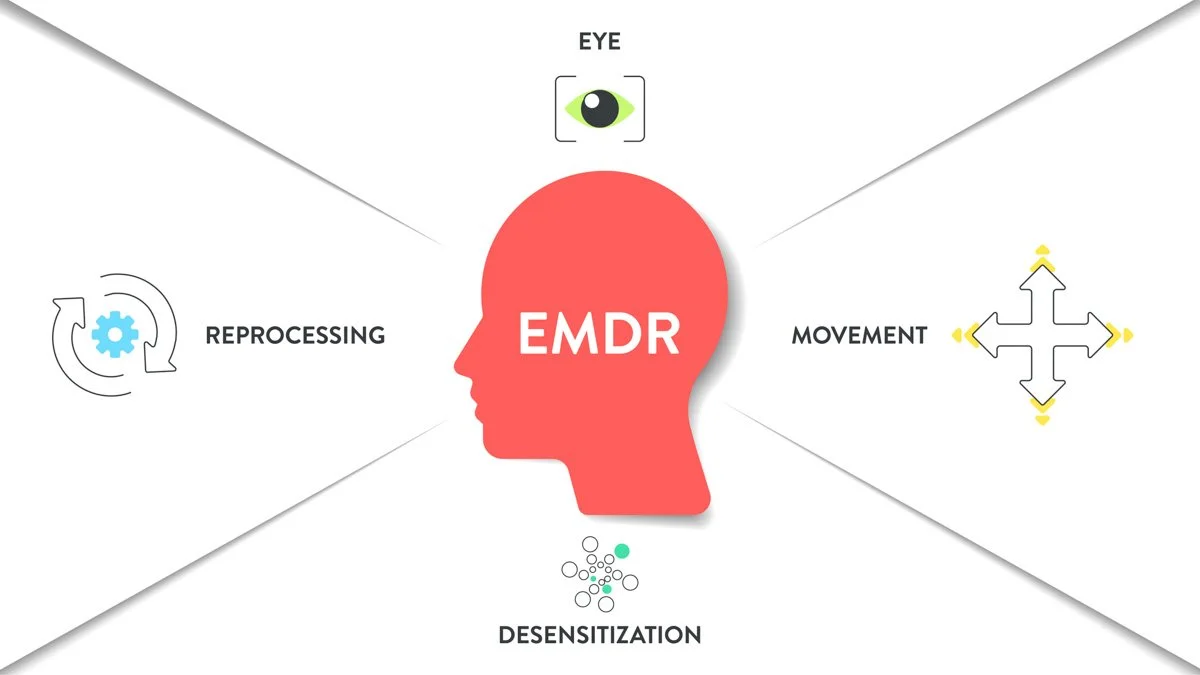
Eye Movement Desensitization and Reprocessing (EMDR) is a highly researched, effective psychotherapy method that helps people to fully process and heal from upsetting, traumatic, or negative life experiences that ultimately create emotional wounds that carry into the present.
EMDR uses bilateral stimulation (something you can see, hear or feel moving in a side-to-side pattern, such as tappers you hold in your hands) as a key part of the therapy process, as this has a direct effect on they way the brain processes and stores information.
Bilateral stimulation facilitates the brain to release stored emotions from the nervous system and helps create new neuropathways in the brain (hence the ‘reprocessing’ part of EMDR). This is what ultimately produces more effective, noticeable changes in thoughts, feelings and behaviors related to previous triggers/negative experiences after reprocessing.
EMDR was originally developed in the late 1980’s for treating trauma and Post Traumatic Stress Disorder (PTSD). However, ongoing research supports positive clinical outcomes for EMDR treating a variety disorders (such as anxiety, depression, addictions, grief and loss - to name a few) in addition to just PTSD.
You can learn more about EMDR therapy here:
What sets EMDR Apart

• It is highly researched and effective, resolving the source of your distress from the root (Root cause healing versus band-aid solution)
• It can produce results more rapidly than other therapies
• It does not require talking in full detail about distressing events, or doing ‘homework’ in between sessions in order to obtain results
• It naturally assists the brain to ‘re-wire’, creating noticeable results and long-term changes in thoughts, feelings and behaviors
• People report making more progress in much less time with EMDR therapy than in traditional talk therapy
Is EMDR Right for You?
EMDR therapy may be a good fit if you feel stuck—emotionally, mentally, or physically—and are ready for something more than just coping.
You might benefit from EMDR if:
You feel anxious, overwhelmed, or on edge, even when life seems “fine”
You experience sadness, numbness, or a heaviness that doesn’t fully lift
Certain memories, situations, or emotions feel uncomfortably close or intense
You’ve done therapy before and gained insight, but the feelings haven’t changed
Your reactions feel automatic or out of proportion, and you don’t know why
You struggle with self-blame, shame, or a belief that something is wrong with you
Your body holds stress through tension, pain, fatigue, or trouble sleeping
You avoid certain situations, relationships, or emotions without fully understanding why
You want relief from past experiences without having to relive or retell everything in detail
EMDR is especially helpful if you understand your patterns but still feel controlled by them.